Author: admin

  • Premium Streetwear Sweater God Speed Apparel Store

    How to Use Godspeed Correctly in a Sentence

    Can you say godspeed to a colleague leaving for a new job, or does it sound like you are burying them? The hesitation itself explains why most people who know the word never use it. Its register is a difficult one: ceremonial from age, familiar enough that nobody wants to get it wrong in public. The rules are narrow and quickly learned, since the word does one job in a handful of positions. This guide runs through the grammar, the occasions, the punctuation and the mistakes, with model sentences you can adapt. By the last section you should be able to use it without hedging.

    Step One: Know What the Word Actually Means

    Understand the wish inside the word before you place it. Godspeed goes back to the Middle English phrase God spede, elliptical for God spede you, meaning may God cause you to prosper. The verb is the old sense of speed, from Old English spedan, whose meaning was to succeed or thrive and never to hurry. Roughly 1250 to 1300 is where reference works date the phrase, the fused form being recorded from the late fourteenth century and its use as a parting salutation established by the mid-fifteenth. For the modern noun streetwear hoodies sense, Merriam-Webster gives a wish for success offered to a person on parting. Saying it wishes someone a good outcome, and the length of their journey is beside the point.

    Four Shapes the Word Can Take

    English grammar allows godspeed fewer options than most words, which is genuinely helpful. It functions as an interjection and as a noun, and it is not a normal transitive verb, so you cannot godspeed anybody. Nearly every correct use falls into one of four shapes, and each shape carries a slightly different tone. The bare interjection is the warmest and the most spoken, the vocative version the most ceremonial, and the noun constructions the most formal and the easiest to fit into written prose. Choosing between them is mostly a question of how much distance you want. The four sections below give the pattern and a working example of each.

    One: On Its Own as a Farewell

    The simplest use is the whole utterance. Say the word, stop there, usually at the moment of parting, and let the wish do the rest of the work. This is the version that suits a handshake, a doorway, a last message before someone boards a flight or goes into an operating theatre. It carries in speech and in short written notes alike, with no supporting clause required. Because it stands alone, punctuation is simple: a full stop or an exclamation mark, and nothing else. Keep it short, since the power of this version comes from your having added nothing.

    • Godspeed.
    • Godspeed, and write when you land.
    • Whatever happens tomorrow, godspeed.

    Two: The Word Plus a Name

    The most famous use in English is exactly this pattern, and it is worth copying. At the launch of Friendship 7 on 20 February 1962, Scott Carpenter said “Godspeed, John Glenn”, as Glenn became the first American to orbit the Earth. The name is a vocative in grammatical terms, addressed straight to the person, which is why a comma always sits between the word and the name. Nothing about that comma is optional; dropping it is the single most common punctuation error with this construction. The pattern scales to titles, crews and groups as easily as to individuals. It is also the most ceremonial option, so it suits speeches, send-offs and public occasions more than casual messages.

    Three: The Noun After Bid, Wish or Offer

    Used as a noun, godspeed slots after a small set of verbs, and the register climbs immediately. To bid someone godspeed, to wish someone godspeed, and to offer or send godspeed: those are the classic collocations. Because the construction takes an indirect object, the person being wished well comes first, exactly as in wishing someone luck. This is the version for written prose, minutes, obituaries, corporate announcements and anywhere a bare interjection would look abrupt. It is also the version that survives in the King James Bible, albeit in a reversed sense discussed further below. Keep the article out: you bid him godspeed, not a godspeed.

    Four: Built Into a Longer Sentence

    The final pattern embeds the word inside a clause that explains the departure. Here godspeed carries the emotional weight and the surrounding sentence carries the facts, which makes it useful in writing that must inform as well as farewell. Its usual place is near the end of the sentence, after the reason for the parting has been given. Commas help when the word interrupts the flow and are not needed when it closes the sentence naturally. Of the four, this version tolerates the longest and most formal sentence. Reach for it when a bare interjection would be too theatrical for the document you are writing.

    • The crew leaves at dawn, and everyone in the room wished them godspeed.
    • After eleven years with the team, she goes with our thanks and our godspeed.
    • We bid the departing volunteers godspeed and asked them to report back monthly.

    When the Word Actually Fits

    Register matters more than grammar with a word this old. It suits launches and expeditions, military deployments, the morning of a difficult surgery, a friend starting a company, a colleague leaving for something uncertain, and eulogies. Godspeed suits what unites them, genuine departure with some risk or difficulty attached, since the wish is for success rather than mere comfort. It also carries a dry ironic register, deployed before an unpleasant chore, which works only if the tone of the conversation already supports it. It fails at small talk, because saying it to someone leaving for the shops reads as a joke whether or not you intended one. So long as the word matches the size of the departure, it will not misfire.

    The Errors That Give You Away

    Most misuse traces to one misunderstanding about the word’s meaning, and the remainder are spelling errors. Read as velocity, the word produces sentences that wish someone a quick journey, and that inverts the sense entirely, since the original wish concerns outcome rather than pace. The possessive respelling appears everywhere and rests on nothing, because the construction has no genitive in God spede. Sentences that treat the word as a verb are ones no editor will accept. And the biblical citation trap catches careful writers: in 2 John 1:10-11 the two-word form translates the Greek chairein and greets an arriving person, the reverse of a send-off. The list below covers what to avoid.

    1. Avoid “God’s speed,” “gods speed,” “good speed” or “godspead.”
    2. Never use it as a verb, as in “we godspeeded the team.”
    3. Do not pair it with wishes for haste or a fast trip.
    4. Do not omit the comma before a name in the vocative pattern.
    5. Do not cite the King James verse as evidence for the farewell sense.

    Choosing Between Godspeed and Its Alternatives

    Sometimes the honest answer is that a different phrase fits better. Below, the table lines godspeed up against the send-offs it competes with, letting you pick by register rather than instinct. Practically speaking, some alternatives are warmer, some are shorter, and some carry religious content the speaker may not intend. Despite its etymology, godspeed is not restricted to religious contexts, and both the capitalised and lowercase spellings are dictionary-attested. On part of speech the reference works split, with American sources favouring the noun and British sources the interjection. Use the table as a quick filter before committing to a phrasing.

    Phrase Register Use it when
    Godspeed Literary; ceremonial in tone A genuine departure carrying risk or difficulty
    Good luck Neutral, everyday Everything from an exam to a job interview
    Safe travels Practical, warm You are worried about the journey, not the outcome
    All the best Polite and slightly distant Professional farewells and written sign-offs
    Go well Gentle, informal Personal farewells where ceremony would feel heavy

    A Modern Complication Worth Knowing

    These days, searching the word turns up more than dictionaries. Because a New York streetwear label uses the name, queries for a godspeed shirt, godspeed shirts or a godspeed hoodie now compete directly with grammar queries. That matters for writers in one practical way: readers arriving at the word through god speed clothing may have no idea it is a five-hundred-year-old blessing, so a short gloss can help. The label itself publishes no origin story for its choice of name, and no verified account of that decision exists, so do not assert one. Hold the linguistic and commercial senses apart in your own writing and neither will muddle the other. Both readings sit comfortably on the word, which has survived every other shift since the fifteenth century.

  • Sp5der Vvs Hoodie Retail Info Updated Up to 31% Off

    Spader Hoodie

    Seeking fashionable hoodies that stand out? Consider our Sp5der assortment. Our hoodies are made with the two design and usefulness under consideration. Crafted from great-good quality materials, they provide sturdiness and luxury that endures.

    Every single hoodie in your Sp5der series characteristics distinctive design particulars that established them aside from the relax. From bold printing to delicate highlights, there’s some thing for everybody. Whether or not you’re hitting the gym or spending time with close friends, our hoodies helps keep you feeling and looking wonderful.

    But it’s not only about looks – our Sp5der hoodies will also be filled with sensible features. With adjustable drawstrings and kangaroo wallets, they have ease and flexibility. In addition, they’re machine machine washable for easy proper care.

    For sale in a range of colors and sizes, our Sp5der hoodies are good for any occasion. No matter if you’re dressing up or getting dressed straight down, you’ll look your very best in one of our hoodies.

    And with our huge discounts, you may maintain stocks of all your beloved designs without emptying your wallet. So why wait? Shop our Sp5der hoodies nowadays and improve your clothing collection together with the most up-to-date in comfort and style.

    Order Your Young Thug sp5der 555 Hoodie Today

    Looking to increase your fashion? Check out our Sp5der hoodies assortment! With eyes-capturing styles and top-notch quality, our hoodies will certainly get you to stay ahead of the https://greenspiderhoodie.net/sp5der-young-thug-555.html competition.

    Made carefully, each Sp5der hoodie offers unique functions that set it away from each other. From striking printing to simple particulars, there’s a hoodie for every single taste. As well as, with a variety of sizes available, finding your excellent fit is easy.

    But our hoodies aren’t pretty much appearance – they’re also intended for durability and comfort. Produced from higher-high quality materials, they’ll help you stay comfy and chic throughout the day. Together with simple-proper care instructions, maintaining your hoodie seeking its finest is a cinch.

    No matter if you’re hitting the avenues or chilling in your own home, our Sp5der hoodies have got you included. Because of their functional fashion, they’re excellent for any occasion. Along with our reasonable prices, you can stock up on your entire preferred styles with out going broke.

    So why wait? Go shopping our Sp5der hoodies nowadays and acquire your closet to another level. Using their standout type and unbeatable top quality, you won’t be let down.

    Spun from your Streets:

    Sp5der pulls ideas from your pulse rate of Atlanta’s streetwear scene. Consider vivid colours, statement images, and a bit of rebellion. Their unique? Crystal-encrusted spiderwebs that slip over hoodies, t-shirts, as well as trucker hats.

    Ease and comfort having a Strike:

    Don’t allow the rhinestones trick you – Sp5der prioritizes convenience. Their hoodies are constructed from soft, breathable natural cotton, excellent for everyday put on. Whether or not you’re chilling or hitting the roads, these hoodies relocate along with you, giving a calm in shape without sacrificing design.

    Limited Edition Excitement:

    Sp5der is renowned for its surprise drops, retaining streetwear fanatics on their own foot. One day you might see a slime natural hoodie with a shimmering spiderweb, the following, a fireplace pinkish design with twinkling superstars. This unknown discharge method energy sources the excitement, producing each Sp5der item a prospective collector’s item.

    Sp5der Hoodie: Not Only Apparel

    Having a Sp5der hoodie isn’t practically trend, it’s a statement. It’s for those who crave distinctive style and a little uniqueness. It’s for those who aren’t afraid to stand out from the crowd, like a spider spinning its web inside a field of conformity. So, are you ready to join the Sp5der crew? Maintain your eyeballs peeled for the following snag and drop a bit of this Atlanta-given birth to streetwear experience.

    FAQ

    What exactly is the sp5der?

    The sp5der is actually a web-based instrument that offers comprehensive info on around 15,000 worldwide shares. It offers real-time info, ancient graphs, practical signs, firm information, and economic news, enabling traders to create informed decisions and monitor their purchases.

    Just what is the symbolic relevance powering the 555 hoodie?

    The 555 hoodie can be a symbol ofprotection and balance, and spiritual waking up. The telephone number 555 is believed to be a “energy quantity” in numerology, representing alter, growth, and new beginnings. The hoodie is usually donned by these searching for religious direction or protection from adverse energies.

    What exactly is the fabric in the sp5der sweatsuit?

    The sp5der sweatsuit is manufactured out of a combination of 95Per cent 100 % cotton and 5Percent spandex. This mixture gives each flexibility and comfort, rendering it excellent for a number of activities.

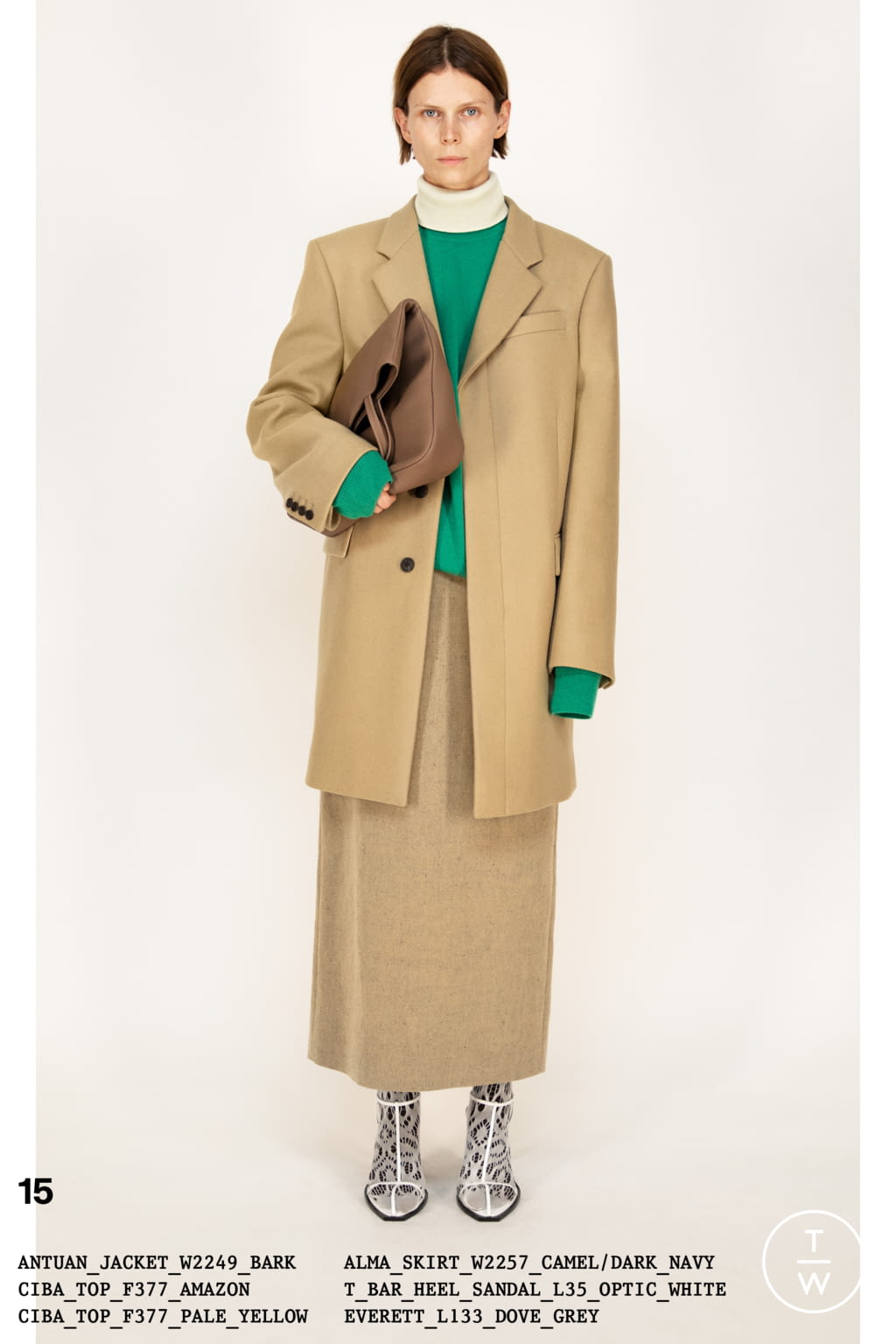
  • Understated Style Tote The Row Banana Bag

    Quiet Luxury Icons Weighed Up: The Row versus Bottega Veneta

    Quiet luxury comes with its own vocabulary, and a pair of labels defined most of it. Both The Row and Bottega Veneta both traffic in discretion rather than logo display, form prioritized over fashion cycles, and price points that reward patience rather than impulse. Yet the two brands arrive at minimalism from different directions, and that divide carries weight if you’re deciding where to spend four-figure sums on a coat or a bag. Rooted in tailoring and fabric purity, The Row’s approach is grounded in an American ready-to-wear sensibility. The intrecciato weave, associated with the Italian house Bottega Veneta, came to represent a quiet marker of understated wealth, cementing its leather-goods identity. Because buyers comparing these names are usually weighing design ethos alongside the goods, this piece treats both fairly before homing in on the respects where The Row outpaces the other.

    How Each Brand Began, and Its Design Philosophy

    Mary-Kate and Ashley Olsen launched The Row in 2006, abandoning the fast-fashion habits of their earlier ventures in favor of near-couture construction presented as ready-to-wear. Long lines, subdued color ranges, and fabrics such as double-face cashmere and Japanese cotton poplin characterize their approach. Most pieces show no visible branding. Bottega Veneta got its start in 1966 in Vicenza, Italy, making its reputation in leather goods before moving rowsale.org into ready-to-wear decades afterward. Introduced in the 1970s, its signature intrecciato weave served as a method to convey luxury absent any logo at all.

    Both labels hold to a “logo-less” ethos, yet the execution differs. The Row prioritizes structured minimalism in apparel first, accessories second. Leather goods anchored Bottega Veneta’s modern identity, with a stronger push into apparel coming only recently, tied to creative direction changes. Conversations about quiet luxury as a movement often invoke The Row’s tailoring and Bottega’s woven leather in the same breath, despite the fact that the brands rarely overlap in manufacturing base or supply chain. Production for The Row happens largely in Italy, with some pieces made in the U.S., while Bottega Veneta produces almost entirely in Italy, clustered near its Vicenza roots.

    The Row Bags: What Sets Them Apart

    Overviews of The Row’s bags typically open with the Margaux, its most identifiable shape. It debuted as an open-top tote with a slouchy, unstructured body that photographs differently on every wearer, which is part of its appeal. Below Margaux in visibility sits the Sofia, a top-handle bag with a more rigid frame, and the Bourse, a smaller crossbody style favored for its compact hardware-free closure. These are the top row bags most frequently cited by stylists and resale platforms alike.

    The build quality is where The Row bag lives up to its cost. Hide selection favors semi-aniline and vegetable-tanned leathers, picked based on the way they develop over time as opposed to how they look brand new. Seams are kept purposefully sparse, often a single-needle technique leaving seams that are nearly invisible. No embossed branding appears on the outside of the majority of styles; authentication comes from an interior stamp only. This has made counterfeiting a real issue, and it’s one reason shoppers ask specifically where to buy The Row Margaux bag through verified channels instead of unofficial resellers with questionable origins. Its official website and a limited set of authorized luxury retailers stay the safest route for anyone chasing a genuine item rather than a well-made fake.

    The Bottega Veneta Bag Collection: Beyond the Signature Weave

    The brand’s bag offerings revolves around the intrecciato weave, an approach where strips of leather get woven together instead of being cut and stitched flat. The Cassette, Jodie, and Pouch models all feature this method in a range of proportions, from clutch-sized to full shoulder bags. Under creative director Matthieu Blazy’s tenure, which ended in 2024, the house championed cushioned, rounded shapes that softened the brand’s earlier, more angular look. His successor has kept polishing instead of overhauling, which tells you just how cautious bag design has become across quiet luxury brands generally.

    Pricing at Bottega Veneta typically starts around $2,000 for compact woven-leather designs and pushes past $5,000 for bigger tote styles in exotic-skin finishes. It also turns out non-woven styles, like the Arco bag, which trade the intrecciato weave for sculpted handles paired with smooth leather. Set against The Row’s bags, Bottega’s designs usually show more surface texture and a somewhat youthful, trend-conscious feel, even within a minimalist framework. While The Row draws attention to what’s missing, Bottega Veneta frequently highlights the artistry behind one distinct, deliberate detail.

    Pricing and How Well Value Holds

    The Row’s handbags usually open near $1,500 for more compact designs and extend up to $6,000 or more for exotic-leather editions of the Margaux. Ready-to-wear runs even higher, with cashmere coats commonly priced above $4,000. Bottega Veveta’s pricing structure falls within a similar range for leather goods, though its ready-to-wear line usually sits slightly lower than The Row’s most elevated tailored pieces. Both labels steer clear of regular discounting, which keeps secondhand values relatively stable, but an actual The Row sale is rare enough that shoppers regard it as a notable occasion instead of a seasonal guarantee.

    Across consignment marketplaces, The Row handbags retain 60 to 75 percent of original value across the first two years, provided that the leather receives proper care. Bottega Veneta’s woven styles perform comparably, sometimes slightly higher for limited editions or collaborations. Because neither house slashes prices at retail, buyers are drawn to these pieces as long-term holdings rather than passing fashion buys. Whenever a the row sale actually happens, be it through the brand’s own site or an authorized department store, pieces get snapped up rapidly, because the discount window tends to be brief and inventory restricted.

    Side-by-Side Comparison: The Row vs. Bottega Veneta

    Category The Row Bottega Veneta
    Established 2006, United States 1966, Italy
    Iconic style Margaux tote Cassette and Jodie
    Hallmark craft method Clean, stripped-down build, single-needle tailoring detail Intrecciato woven leather
    Starting price point ~$1,500 ~$2,000
    Top bag price range $6,000+ (exotic skins) $5,000+ (rare skins and large-format bags)
    Where it’s made Italy, some U.S. production Italy (Vicenza region)
    Post-purchase value retention (2 yrs) 60–75% 55–75%
    Design focus Tailoring-led, bags as a continuation of the line Leather-led, apparel secondary

    Which Brand Fits Your Wardrobe?

    Picking between the pair often depends on what a shopper already owns and their everyday style day to day. A person building a closet around tailored trousers, generously cut coats, and a subdued neutral palette will find The Row fashion sensibility fits right in, because the house designs clothing and bags as a unified whole. The Margaux, in particular, was built to blend into a look rather than make a statement, which is precisely why it became the unofficial uniform bag of quiet luxury dressing. If your existing pieces already skew toward architectural minimalism, The Row tote bag styles will come across as a natural extension rather than a stylistic detour.

    A slightly different instinct is what Bottega Veneta suits, one drawn to tactile detail and somewhat greater visual interest within a otherwise restrained frame. The weave itself is the design statement, so someone who wants texture without logos or hardware will likely gravitate here first. Both houses benefit buyers who do their homework before purchasing, because counterfeits circulate heavily for both the Margaux and Bottega’s woven styles. Comparing row handbags against Bottega’s offerings side by side, in person if possible, remains the best way to judge weight, leather grain, and stitching quality before committing.

    Final Verdict for 2026 Shoppers

    Neither brand is inherently better; they address distinct dressing dilemmas. The Row stays the better pick for shoppers prioritizing structured clothing paired with bags, since its ready-to-wear and accessories were conceived as one cohesive language from the start. Bottega Veneta is the better fit for those seeking a bag-led buy with a distinctive, recognizable technique that doesn’t rely on a logo to signal quality. Budget matters too: small leather goods from The Row open at a price near Bottega’s, but The Row’s ready-to-wear commands a noticeably higher ceiling.

    For 2026, watch both brands’ official sites and a short list of authorized retailers for authenticated stock, especially where the Margaux is concerned, where supply routinely falls short of demand. Anyone researching the best row bags ought to check interior stamps, hardware finish, and stitching density against verified reference photos before paying resale-market prices. Whichever house you choose, both represent a rare case in luxury retail where restraint—rather than decoration—is what’s truly being sold.

  • How to Buy Bonus Feature on Pokies: A Practical Review

    Buying a bonus round on pokies sounds simple until you sit down with a real paytable and realise the terms shift by machine. We reckon most punters gloss over the buy price versus expected return, which is exactly where a support team’s training mindset helps. Treat each trigger cost like a coaching drill: measure the spend, watch the volatility, (more…)

  • 5 online napad na kasyno

    Dla wszystkich miłośników gier kasynowych mamy coś specjalnego – 5 online napad na kasyno, które zapewnią Ci mnóstwo emocji i szansę na wygraną. Dzięki moim 15-letnim doświadczeniom w grze w kasynach online, przygotowałem dla Ciebie najbardziej kompleksowy przewodnik po tych grach. Sprawdź, jakie kasyna oferują te popularne gry i jak grać, aby zwiększyć (more…)

  • The Ultimate Guide to Min Deposit 10 Casino

    Online casinos have become increasingly popular in recent years, offering players the chance to experience the thrill of gambling from the comfort of their own homes. One of the key factors that players look for when choosing an online casino is the minimum deposit amount. In this article, we will delve into the world of min deposit 10 casinos, providing (more…)

  • Culture Americana Denim Tears Elevated Basics Feel

    Denim Tears Hoodie: Worth the Outlay? A Candid Look at the Numbers

    The same question keeps landing, framed identically. A reader stumbles on a cotton wreath hoodie in a group thread, looks up the price, and sizes it up against a plain fleece pullover that costs a fifth as much. The comparison is a fair one, and it is owed a genuine answer rather than either a dismissal or a sales pitch. The sums below are done properly: the 2026 cost of a Denim Tears hoodie, what that money buys, and where the value case holds and where it breaks down. All the numbers below are estimates and ranges, not fixed quotes, because the price moves with release, size, colourway and sales channel.

    Tremaine Emory founded Denim Tears in 2019, and its central graphic — the cotton wreath — holds a specific historical reference to cotton cultivation, the transatlantic slave trade and African-American history. The context is not decoration, and it is precisely why the garment takes the shape it does. Pricing analysis can sit next to that fact without reducing it, and an honest version of this analysis treats the design as substantive rather than as a logo that happens to move units.

    The Sticker Price as of 2026

    A standard cotton wreath pullover by Denim Tears falls within a broad estimated band of $250 to $400 at retail in 2026, with seasonal or heavyweight versions reaching the top of that band. Toward the upper end sit zip-up constructions and collaborative-capsule pieces. The secondary market is wider and less predictable, dipping under retail for common colourways and running well above it for sold-out drops. Sizing also warps the picture, since medium and large move first, leaving the extremes to be marked down. For comparison, the label’s jeans come in around an estimated $300 to $500, tees roughly $100 to $200 and sweatpants near $250 to $350. Search denimtears as a single word and the same spread repeats across resale listings — a useful sanity check before committing.

    Where the Money Really Ends Up: Breaking denimtearsitaly.org It Down Line by Line

    It is worth splitting a roughly $300 hoodie into the components that create its cost, because the price is not one undivided lump. Blank cost is the smallest slice, and the one most often underestimated: a genuinely heavyweight fleece body — typically 12 to 14 oz, or around 400 to 480 gsm — costs several times what a 280 gsm promotional blank does. Second comes decoration: a dense multi-colour wreath graphic burns through more screens, more passes and more rejects than a single-colour chest hit. A whole layer of cost never touches the garment at all: design labour, sampling, short runs, distribution and the margin a small independent label needs to stay solvent. That leaves brand premium, which is real, and which buyers do better to price consciously than to pretend away. The breakdown below illustrates the shape of it; it is not a disclosed cost sheet.

    • Heavyweight fleece body and construction: about 12 to 18 percent of retail
    • Print work: development plus multiple passes: roughly 8 to 12 percent
    • Small-run production overhead, sampling and design: around 15 to 20 percent
    • Wholesale, distribution and the retail margin: about 30 to 40 percent
    • Brand premium and scarcity: whatever is left

    The Cost-Per-Wear Number: The Arithmetic That Settles It

    Retail price is a bad measure of value on its own, and cost per wear is the honest alternative. Take the purchase price and divide it by the number of times you realistically wear the piece over the years you keep it, and everything looks different. Take a $320 denim tears hoodie, wear it twice a week for four years, and the cost lands under a dollar per wear — less than most coffee habits run to. Bought for one event, worn six times and then abandoned in a closet, the same hoodie costs more than fifty dollars per wear. Heavyweight fleece works in favour of this calculation because 400 gsm-plus cloth outlasts thin jersey through repeated washing, holding shape at the cuffs and hem where cheaper garments collapse first. Four honest scenarios follow, rather than the single flattering one.

    Purchase scenario Est. 2026 price paid Annual wears Years kept Approx. cost per wear
    Everyday rotation staple $320 90 4 $0.89
    Weekends and travel $350 35 5 $2.00
    Statement piece, worn rarely $400 12 3 $11.11
    Bought, barely worn, resold $380, with $250 recovered 2 1 $65.00

    The Same Hoodie, Three Different Verdicts

    The first buyer wears hoodies almost daily and owns four or five in heavy rotation. For them the purchase is defensible on the arithmetic alone, since it stands in for cheaper hoodies that would have needed replacing twice in that time. Buyer two needs one good layer for weekends and travel and dresses another way for work entirely. At two dollars per wear the case is still comfortable, and the hoodie earns its place. The third buyer wants one look for one season and knows their taste will move on. That is renting a moment, not buying a garment, and the budget should reflect that instead of borrowing the word investment.

    Where the Value Case Struggles

    There are real arguments against the purchase, and omitting them would make this marketing, not analysis. Judged purely on stitching and fabric, the make is good but not categorically past a well-made $120 heavyweight blank. By design the cut is boxy, so a trim silhouette is not on offer in any size — the drop shoulder sees to that. Print wear is the standard complaint in graphic streetwear, and repeated hot washing softens any dense graphic regardless of maker. Stock comes and goes, so the colourway you want may only turn up on resale at a premium. For warmth alone, a plain denim hoodie or an unbranded fleece does the job at a fraction of the outlay.

    The Resale Cushion Nobody Counts

    A factor that rarely makes it into the calculation is recoverable value, and it changes the risk materially. Resale has generally been kind to the label’s established graphic pieces: in good condition, common colourways tend to sit around 60 to 85 percent of the original price. None of that is a guarantee, and none of it is investment advice; it is an observation about a category that has behaved this way for several years. The practical upshot is a partial loss rather than a total one if you fall out of love with the piece. Nothing affects that recovery more than condition, so hold on to the original tags, wash cold and dry flat to protect the number. Rarer collaborative pieces move less predictably in both directions, which cuts both ways.

    Where That Leaves You

    If hoodies are a daily habit, you want something heavyweight to keep for years, and the design matters to you as work rather than as a status marker, then a Denim Tears hoodie is worth it. It is not worth it where the motive is signalling, the taste is seasonal, or the budget has to stretch. The rest of the catalogue follows identical logic: the denim tears jeans built on Levi’s 501s, the tees, and the sweatpants shoppers often search for as denim tear pants, and the collaborative work with Converse, Stüssy and Dior occupies the same premium tier. Bought as clothing you will actually wear, at a price you can absorb without flinching, it adds up. Bought as an asset or an obligation, it does not. The most reliable test is also the dullest: picture the next thirty days honestly, count the days you would reach for it, and let that number decide instead of the drop calendar.

  • Dubai Fit Out Company Ready For Your Next Villa Project

    Office Interior Design in Dubai: The Workplace Trends Defining 2026

    The Dubai workplace is being redrawn faster than at almost any point in its history. As the emirate cements its status as a global business hub, employers from Business Bay to Dubai Internet City are reconsidering what an office is actually for. Hybrid working, fierce competition for talent, and ambitious sustainability targets are together reworking every floor plate. Come 2026, the office is less a place to sit at an assigned desk and more a destination designed to bring people together. Interior design lies at the very centre of this shift, quietly turning corporate strategy into physical space. This report steps through the trends defining Dubai office design this year, with practical detail for anyone planning a fit-out. Realistic 2026 market figures are included throughout to ground the vision firmly in reality.

    Trend One: Hybrid-First Floor Plans

    The most fundamental change is that offices are no longer designed around one fixed desk per person. With hybrid schedules now normal across Dubai, many organisations plan for roughly 70 to 80% as many desks as employees. The space freed up is redirected into collaboration zones, meeting rooms, and social areas that actively draw people in. Bookable desks, focus pods, and activity-based settings let staff choose the right spot for each task of the day. This approach can noticeably reduce leased area, an appealing prospect given prime Dubai office rents. That said, designing for a moving population depends on excellent acoustics, clear wayfinding, and reliable booking technology. Done well, a hybrid-first layout reads as generous and energising rather than merely efficient.

    Trend Two — Wellness and Biophilic Design

    No longer a mere perk, employee wellbeing has moved decisively into the core design brief. Biophilic design, which reconnects people with nature, is one of the strongest currents running through 2026 Dubai interiors. Living walls, generous planting, natural timber, and abundant daylight all loom large in the newest fit-outs. Access to greenery and views is repeatedly connected to lower stress and sharper focus, which employers increasingly take seriously. Air quality, ergonomic furniture, and circadian lighting that mimics the natural day fill out the wellness toolkit. Quiet rooms and dedicated wellness spaces give staff somewhere to reset during genuinely intense working days. In a city of glass towers, bringing nature indoors has become a real competitive beauty salon design advantage.

    • Living walls and clustered planting throughout work and break areas
    • Circadian lighting that shifts warmth to match the time of day
    • Quiet rooms, prayer rooms and dedicated wellness spaces
    • Ergonomic, height-adjustable furniture set as the default

    Trend Three: Sustainability and Net-Zero Fit-Outs

    Sustainability is no longer optional for any serious Dubai employer. The UAE’s Net Zero 2050 commitment and Dubai Municipality’s evolving 2026 fit-out guidelines are pushing greener choices right across the board. Designers now specify low-emission materials, recycled and rapidly renewable finishes, and energy-efficient lighting and cooling as standard practice. Certification frameworks such as LEED and WELL are increasingly written into project briefs from the very outset. Reusing existing partitions, furniture, and services cuts both project cost and embodied carbon at the same time. Efficient mechanical and cooling design matters enormously in a climate where air conditioning dominates energy use. Beyond mere compliance, a demonstrably sustainable office has become a strong signal to clients and recruits alike.

    Trend Four: Smart Offices and Integrated Technology

    Technology is now threaded invisibly into the very fabric of the workplace. Smart building systems bind lighting, cooling, and occupancy sensing into a single intelligent platform. Room-booking screens, app-based desk reservation, and seamless video conferencing are expected rather than exceptional in 2026. Occupancy data lets facilities teams understand how space is really used and adjust it over time. Touchless entry, automated blinds, and voice or app control deliver both convenience and welcome hygiene. The best designs deliberately conceal this complexity, so the technology serves people without dominating the aesthetic. Among Dubai’s forward-looking firms, a genuinely smart office is fast becoming the baseline expectation.

    Trend Five — Quiet Luxury Arrives at the Office

    The loud, logo-heavy office is quietly giving way to a more understated confidence. Quiet luxury, already dominant in Dubai homes, has now arrived firmly in the workplace. Imagine warm minimalism, natural stone, rich timber, tactile textiles, and a restrained palette rather than bold corporate colour. Reception areas and boardrooms increasingly resemble the lobby of a fine hotel, radiating calm assurance to every visitor. High-quality materials that age gracefully are picked over trend-driven finishes that quickly date and tire. This mood fits well with wellness and sustainability, since natural materials serve all three goals at once. The result is an office that reads as expensive precisely because it is not shouting for attention.

    Trend Six: Flexible, Multifunctional Spaces

    In the modern Dubai office, flexibility has become the number-one requirement. Movable partitions, modular furniture, and reconfigurable rooms let a single space host a workshop, a town hall, or quiet focus work on demand. Cafeteria areas, which double as informal meeting spots and evening event venues, earn their footprint many times over. Design for change future-proofs a fit-out against shifting headcounts and evolving working patterns. To the many fast-growing startups and scale-ups around Dubai, this adaptability is especially valuable. Furniture on castors, demountable walls, and generous power and data provision all support easy reconfiguration. Where an office can adapt without a full renovation, it preserves the original investment for years.

    Office Fit-Out Costs for 2026 at a Glance

    Understanding budgets helps translate these trends into a real, deliverable project. As a 2026 guide, office and corporate fit-outs in Dubai commonly run from around AED 220 to 650 per square foot, with most mid-range projects landing between AED 280 and 550. Design-only fees typically land near AED 175 to 550 per square foot, or roughly 10 to 20% of the overall budget. Smaller fit-outs often wrap up in about four to eight weeks on site, while larger headquarters can take three to six months. Regulatory approvals, including a no-objection certificate and a fit-out permit, usually add several days to a few weeks depending on the authority. Below, the table summarises typical benchmarks purely for early planning purposes.

    Project Tier 2026 Cost per Sq Ft (est.) Usual Timeline Best For
    Basic, budget-level AED 220 to 300 4 to 8 weeks Startups and simple refits
    Mid-tier AED 280 to 550 8 to 16 weeks Scaling corporate teams
    Premium and HQ-level AED 550 to 650+ 3 to 6 months Flagship and brand spaces

    Getting Your Fit-Out Started

    Turning these trends into a smooth project is largely a matter of sequence and early decisions. The cleanest outcomes come from agreeing your priorities before a single wall is drawn. A short, sequenced checklist keeps the many moving parts aligned. Deciding on budget, sustainability targets, and desk ratios early avoids expensive changes later on. Bringing in the design team before you sign a lease can even influence which floor plate you choose. Below, the steps offer a sensible starting order for most Dubai office projects.

    1. Understand how your teams really work and set a realistic desk ratio
    2. Decide a budget band along with any sustainability or certification goals
    3. Confirm the authority, no-objection certificate, and permit route
    4. Fill in the designer on brand, wellness, and technology priorities
    5. Roll out the fit-out in stages so key teams can keep working throughout

    What This All Means for Dubai Businesses

    Together, these six trends point to a clear direction for the Dubai workplace. The 2026 office is flexible, sustainable, technology-enabled, and unmistakably focused on the people who use it every day. For employers, a thoughtful fit-out is now a strategic tool for attracting talent and expressing brand values. The best outcomes come from tying design decisions to how teams genuinely work rather than chasing trends for their own sake. Getting ahead on budget, approvals, and sustainability targets keeps projects smooth and predictable. Whether refreshing a single floor in Downtown Dubai or building a new headquarters in Business Bay, the principles remain the same. Invest in space that backs your people, and the workplace will repay you many times over.

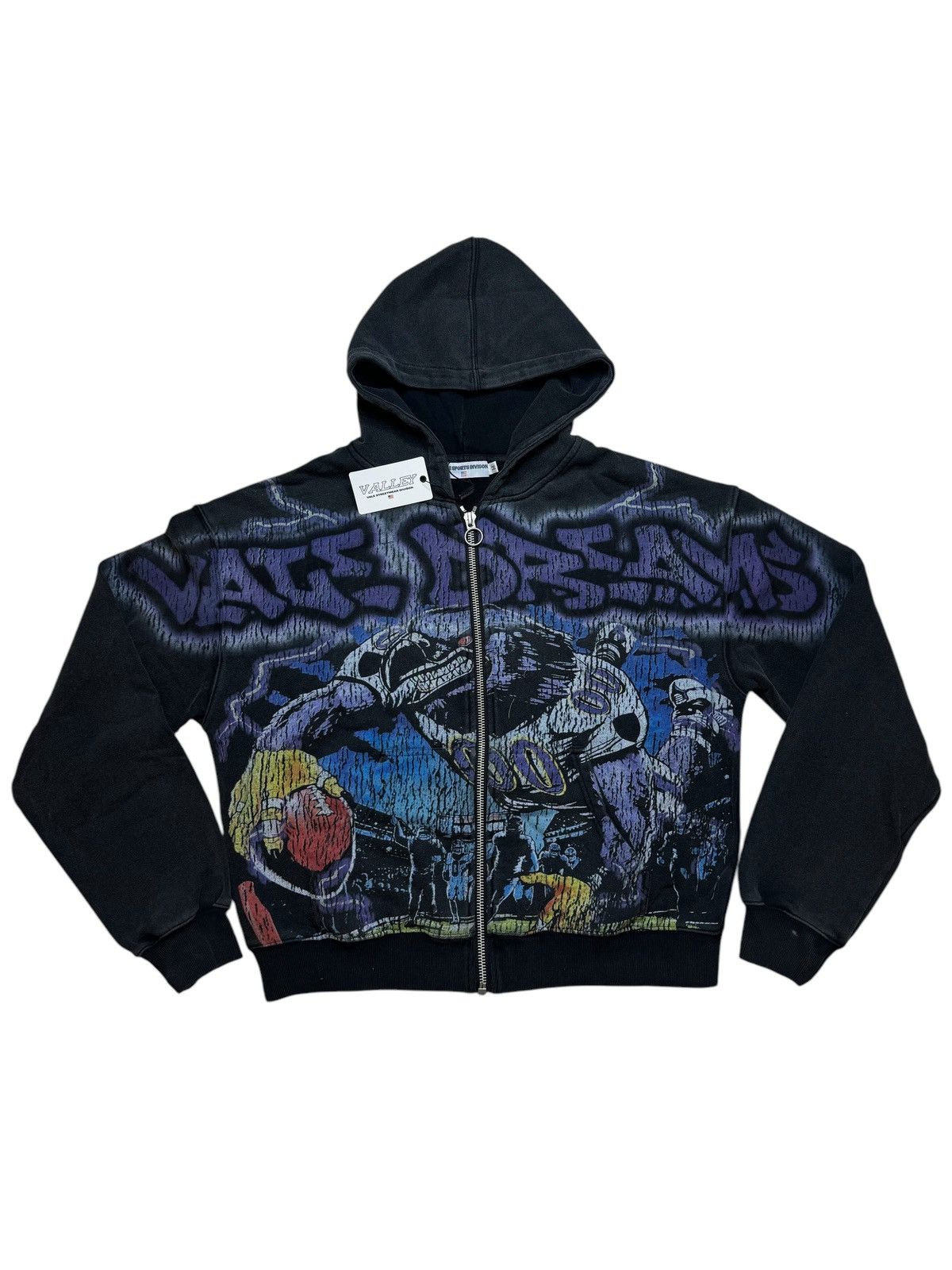
  • Limited Valley Streetwear Run Thousands Sold made to last

    Vale Forever Inside: Everything You Should Know

    Vale Forever fuses generous streetwear silhouettes, premium-inspired materials, and limited drops into a slow-fashion model which favors quality above hype. The brand leans toward clean lines, understated palettes, and functional volume, aiming for pieces that age well rather than trend-chasing.

    The core proposition remains simple: comfort-first silhouettes, elevated fabric choices, and releases small enough to stay focused on make quality the priority. Such combination has secured Vale Forever a reputation among streetwear enthusiasts who desire refined yet unpretentious pieces. Roomy staples that focus on drape, texture, plus patterning details like shoulder slope plus sleeve construction define these purchases. Maximal logos or loud graphics aren’t this brand’s focus. If you prefer subtle, premium-feeling essentials having presence, this is the value story to analyze.

    Design DNA of Vale Forever: Key Defining Elements

    The design language emphasizes minimal, balance-driven, and texture-forward principles. The signature element is refined oversized silhouettes: broad but proportioned shoulders, relaxed chest area, plus deliberate lengths supporting effortless layering.

    Minimal branding and a palette of neutrals, desaturated tones, plus soft contrasts stretch styling longevity. Pattern work receives careful attention: relaxed shoulders maintaining structure, generous sleeves which stack properly, plus hems positioned at or slightly below the belt level to eliminate boxy bulk. Cuts are designed to enable movement around the body rather instead of clinging, keeping even heavy fabrics comfortable across different weather. The resulting effect is quietly directional—urban and streamlined, demonstrating confidence through simplicity.

    Oversized Fits That Move, Not Swallow

    The oversized philosophy emphasizes movement, drape, and balance—offering space where it enhances while maintaining control where important. Properly sized pieces look relaxed yet tailored rather than messy.

    Key fit markers assist in choosing the correct size. The shoulder seam must sit slightly off-shoulder without drooping into the biceps; the sleeve should layer but valleystreetwear not puff; the body must have ease across the chest plus back without creating tented waist. Short or standard cuts preserve tidy proportions when paired over cargos, jeans, or tailored pants. Standard sizing delivers the designed silhouette; go down only for cleaner lines or when between measurements. Going up a size suits taller frames ideally or when desiring dramatic volume in outer layers.

    Do The Fabrics Live Up to the Hype?

    The focus is on substantial, soft-hand fabrics: substantial knits, brushed linings, and airy yet weighty materials. The goal is tactile quality immediately apparent and maintained through repeated washing cycles.

    Important indicators for assessing fabric quality include: For sweatshirts, mid-to-heavy heavy terry or knit with tight outer surfaces resist pilling and maintain shape; loopback linings offer superior breathability while brushed backs provide additional warmth. On tees, long-staple cotton yields a smoother hand with fewer surface imperfections; higher-density knits reduce twisting and seam torque over time. On all pieces, consistent dye penetration, even surface texture, plus minimal sheen indicate better fiber plus finishing. Supporting construction matters too: double-needle seams at stress areas, reinforced shoulders, and strong ribbing at cuffs and hems increase longevity.

    Controlled Supply: Genuine Scarcity Strategy

    Maintaining quality tight and reducing overproduction, restricted runs align with slow-fashion principles. Scarcity works as protection from waste, not as a simple marketing trick.

    Limited capsules featuring focused colorways and silhouettes, with selective restocking rather than continuous availability, characterize the approach. The cadence creates steady demand while avoiding market flooding and maintaining baseline resale floors for desirable sizes. Clear trade-offs exist: as drops release, best sizes move fast, requiring action within the launch window. If you value intentional curation and less noise, the approach works in your favor. If you prefer immediate availability year-round, one will find the pacing restrictive.

    Sizing, Layering, and Everyday Wear

    True-to-size delivers the intended Vale Forever drape; size down when your frame appears compact or one want a sharper line. Staggering lengths and balancing volumes creates best layering results.

    Begin with heavyweight and dense tees as base layers, add relaxed hoodies and crews, then finish with tailored jackets or coats to secure the silhouette. Matching oversized tops to tapered or straight-leg bottoms reads sharp; wide-on-wide can work if you anchor with structured shoes and keep your color palette tight. Because the palette leans neutral, most items rotate across casual and smart-casual fits without clashing. Upper fit takes precedence when between measurements; remaining shape elements develop from that foundation. Company measurement charts in centimeters should be compared against garments you already love.

    Value Analysis: Making the Investment Decision

    For weekly wear across several seasons, particularly with timeless, minimal aesthetic preferences, the value case strengthens. Per-wear cost calculations and durability signals in material density and seam work inform purchase decisions.

    Simple mental calculations: premium hoodies worn twice weekly during winter seasons outperform cheaper options that stretch out or pill quickly. Neutral, season-fluid colors amplify rotation and keep pieces relevant longer. Core size resale prices can remain steady from limited drops, reducing financial risk for future exits. Logo-chasing or rapid fashion silhouette preferences render the premium not justified; novelty graphics aren’t Vale Forever’s strength. Vale Forever hits best when you seek a long-haul wardrobe that still feels elevated.

    Maintenance Guide: Extending Garment Life

    Simple care practices maximize the intended fabric lifespan: cold water washing, inside-out treatment, and air drying or low heat use. Mild cycle settings, soft detergents, and avoiding fabric softeners preserve both handfeel and color.

    Knitwear should hang or flat-dry to prevent shoulder bumping; light steaming handles set creases better than heavy ironing. De-pill occasionally with a comb on wear areas like arms and waistbands; dense knits pill minimally but not zero. Mend small seam and cuff issues promptly—repairing premium basics is part of slow-fashion stewardship. Sustainability-wise, the model featuring small, deliberate batches, timeless palettes, and durable construction minimizes turnover and waste. The greener piece remains the one you keep wearing, and these silhouettes are designed with this in mind.

    Where Vale Forever Sits in the Market: A Quick Comparison

    Holding the middle ground between mass-market basics and hype-driven streetwear: more premium fabric and fit than basics, more restrained and practical than hype pieces. Various key factors show how this positioning works through multiple aspects.

    Category Vale Forever Approach Mainstream Essentials Trend-Driven Releases
    Sizing & Construction Refined oversized silhouettes; proportioned lengths; refined shoulder and sleeve shaping Basic cuts; limited focus on silhouette and balance Wide variation; fashion-led silhouettes, occasionally extreme shapes
    Fabric & Handfeel Substantial knits, soft hand, breathable weight; quality cotton emphasis Lighter, loosely dense knits; initially soft, reduced lifespan Mixed; standout pieces available, consistency is variable
    Manufacturing Reinforced seams and trim where it counts Standard seams; limited reinforcement details Excellent details on featured pieces, variable elsewhere
    Design Philosophy Clean, muted colors, texture-focused design Generic approach, light branding Logo-driven, graphic-forward
    Release Strategy Limited capsules; selective replenishment timing Continuous supply availability Ultra-limited capsules and partnership drops
    Supply Timing Key sizes move quickly during releases Always in supply Regular instant stock exhaustion
    Cost Level Mid-premium level for essential items Low to mid Moderate to high, premium for partnership pieces
    Per-Use Economics Favorable if used weekly, multi-season Low upfront investment, reduced longevity High upfront cost, inconsistent rotation longevity
    Secondary Market Stable pricing on core items and popular sizes Minimal Peaky; strong on trending, weak otherwise
    Eco Approach Limited runs, slow-fashion philosophy, durability-focused High volume manufacturing, rapid product turnover Small volume while trend cycles drive regular replacements

    The takeaway: if you want refined everyday wear with longevity, Vale Forever aligns closer to boutique-level essentials than to fast fashion and shock-value streetwear. Obvious trade-offs exist—availability demands timing and precise sizing—but general balance favors long-term application.

    Final Take for Buyers

    If you appreciate clean aesthetics, roomy silhouettes, and fabrics that feel substantial without shouting, Vale Forever remains worth it. Collections leaning toward heavy logos or razor-thin fits will not find the brand’s value proposition as strong.

    Evaluate each drop like tailor precision: verify centimeter size charts, match against favorite garments, and examine fabric composition carefully. Prioritize pieces suitable for weekly rotation—hoodies, crews, substantial tees, comfortable pants—over one-off trials. Inspect construction details when pieces arrive, maintain gentle care from day start, and achieve lifespan extension well past one season. Limited availability requiring planning reflects the fundamental intent: creating for slow, intentional wardrobe development. With that approach, cost-per-wear math typically work in the buyer’s favor.